

Once upon a time, in the vast, intricate corridors of the mind, there reigned an unseen tyrant. This dictator wasn’t visible to the outside world, but his presence was profoundly felt. He whispered incessantly, “You’re not doing enough,” and his echoes filled every corner, “Never good enough.”
This cruel inner ruler commanded fleets of doubts. His disdainful voice reverberated in the mind palace, planting seeds of self-doubt and feeding on insecurities. His authority was absolute, and he thrived in the shadows, where fear and self-disdain grew like wild vines.
The corridors of the mind were vast and complex, lined with mirrors reflecting distorted images. These mirrors amplified every flaw, every mistake, making them seem insurmountable. Revelling in this spectacle, the tyrant’s taunting whispers grew louder, sneering, “Is this the best you can do?” His voice dripped with sarcasm and derision, fueling the fires of self-criticism.
In this distant kingdom cloaked in the clouds of self-doubt, the towering walls barricading the fortress were high, making it seem impenetrable. The ruler’s harsh critiques echoed constantly, drowning out any semblance of self-worth. The mind became a battleground, with no room for joy or peace. Every step taken was met with the dictator’s sneer, which made the residents question, “Why must we adhere to this tyrant’s whims? Why submit to a rhythm that renders us numb?”
But within this dark fortress, a small spark of hope flickered. It was the realization that the tyrant’s rule could be challenged. A question began to form, growing louder with each passing day, “Isn’t it time to silence this stifling rule? To drain the swamp where this dictator’s cruelty pools?”
As the journey to overthrow the inner tyrant commenced, it all started with a simple yet powerful decision – to avoid the harsh voice of the cruel ruler within. Beyond the fortress of self-doubt, there lay a meadow abundant with self-compassion. In this serene meadow, a softer melody could shape the days, played by a gentle piper who understood the art of kindness.
In this meadow, the music of kindness and self-appreciation filled the air. It was a tune that had been dismissed for too long, but now it played louder and clearer. The decision was made to let the mind be a dance floor rather than a battleground, allowing freedom to reign supreme by abandoning the confinements of the fortress and embracing life amid the verdant meadows. Here, every seed of hope and love was tenderly nurtured, granted the opportunity to bloom and flourish in their own time.
The walls of the fortress began to crumble as the dictator’s voice grew weaker. No longer did the harsh critiques hold power. Instead, the melody of self-love and compassion filled the mind, replacing the echoes of doubt with harmonious notes of self-acceptance.
The mind was no longer a place of conflict but a haven of growth and self-discovery. The tyrant within, once so powerful, was now a distant memory, replaced by the gentle guidance of self-love. In this newfound light, the mind glistened unapologetically, free from the shadows of self-criticism.
The Moral of the Story:
Self-criticism is like a relentless dictator that drains our energy and stifles our growth. It’s essential to recognize this harsh inner voice and challenge its rule. Embracing the piper’s way of living through self-compassion and kindness allows us to break free from the tyranny of self-doubt. By doing so, we open the door to a life where we can unapologetically glisten in our own light. Remember, the journey to self-love begins with silencing the critic within and nurturing the compassionate voice that lies beyond the fortress of doubt.

“I have always felt more loved when I am successful.”
I have heard this several times, said like this or expressed differently, but always sharing the same underlying sentiment. The question that emerges from these conversations is profound: do we indeed receive more love when we achieve greater success?
In our achievement-oriented society, it’s not uncommon for individuals to believe that their worth—and, by extension, the love they receive—is tied to their successes. This perception is not merely a reflection of personal insecurity but is intricately connected to the broader cultural narratives that equate success with the worthiness of love and attention.
From a young age, we are conditioned to aim for accolades. The child who wins a spelling bee feels the warm embrace of proud parents and the admiration of peers. As adults in the workforce, our promotions and achievements often draw more praise and perceived respect from colleagues. This external validation can feel like love, but it’s crucial to differentiate between admiration for one’s achievements and genuine affection for one’s self.
Let’s understand how this happens with a typical high school scenario: a student, let’s call him Alex, scores top marks on a crucial exam. Suddenly, he’s showered with praise not only from teachers but also from peers who seldom noticed him before. This surge of attention feels like acceptance and admiration, which Alex might confuse with love. The fear creeps in almost immediately—what if his next test scores drop? Will the smiles and congratulations disappear as swiftly as they came?
(Sounds Familiar ?)
This anxiety about maintaining his performance for fear of losing that newfound ‘love’ illustrates how conditional this perceived affection can be. It highlights the precariousness of basing one’s self-worth on external validation rather than internal acceptance.
This equation of success with love can lead to a persistent fear — a fear of being ‘NOBODY’. This fear is pervasive; it haunts the schoolboy striving for the highest grades and the adult pushing beyond limits in a corporate setting.
The underlying anxiety: IF I DO NOT SUCCEED , WILL I STILL MATTER ?
Let’s address the truth: you are somebody now. You matter not because of what you can do or what you have achieved but because of who you are. Genuine affection—true love—is not a prize awarded to the highest achiever. It does not fluctuate with the stock market or appear only in the spotlight of awards. Real love is constant (in health and in sickness ; in success and in failure) and unwavering (even if, at times, it is not expressed in the way you wish).
Living with the belief that one must earn love through success can lead to significant psychological strain. It fosters conditions like anxiety, depression, and burnout, as individuals push themselves to the brink, not just for success, but for the love they believe comes with it. This belief system can undermine true self-esteem, replacing it with a fragile scaffolding that crumbles when we fail to meet expectations—our own or those of others.
It’s imperative to challenge this mindset, both in ourselves and within our culture. Celebrating intrinsic worth, encouraging self-compassion, and fostering environments where people feel valued for their innate qualities are steps toward untangling success from love.
Today, in this fiercely competitive world, take a moment to reflect on your intrinsic value. Understand that your worth is not a tally of your accomplishments but the richness of your character, the depth of your kindness, and the steadfastness of your integrity.
Every time you hear someone say,
“ONE DAY I WILL BE SOMEBODY,” remind them—and yourself
—that ‘YOU ARE SOMEBODY NOW’.
Important and valued, not for what you achieve, but simply because you are you.
As you navigate through your days, remember that the love you deserve cannot be quantified by your successes. It is measured by the authentic connections you cultivate and the genuine self you bring to every moment. So let’s shift our focus from succeeding to being—truly being—in each moment with sincerity, grace, and an open heart. This is where our true value lies, and where real love finds its deepest roots.

This 10-minute practice offered by Sativk Yoga entails a host of benefits that can enhance your overall well-being. When practiced regularly, Chandra Bhedana Pranayama can help you:
Cool down and balance your body: This breathing technique has a cooling effect on the body, making it an excellent practice during hot weather or when you feel overheated. It helps regulate body temperature and creates a sense of internal balance.
Calm and relax the mind: By activating the parasympathetic nervous system, Chandra Bhedana Pranayama induces a state of relaxation and calmness. It can help reduce anxiety, stress, and restlessness, allowing you to experience a peaceful and tranquil state of mind.
Improve focus and mental clarity: The practice of Chandra Bhedana Pranayama enhances mental clarity and sharpness. By promoting a calm mind, it can improve your ability to concentrate, make decisions, and stay present in the moment.
Harmonize energy flow: This pranayama technique helps balance the ida nadi, the lunar energy channel, which is associated with the cooling, receptive, and introspective aspects of our being. By harmonizing the flow of energy, it supports overall vitality and well-being.

More mutual irritation can arise as youthful individuality and independence grow.
KEY POINTS THAT WILL BE DISCUSSED :
- Growing distance, differentiation, and disagreement can increase anger between parent and teenager.
- Anger can result from judging that one was wronged by something unwanted, undeserved, or unfair.
- Anger is complicated to manage—it can be protective, but it can also be destructive.
- Eight common violations of well-being are described that can contribute to anger in response.
Adolescence is often a more emotionally charged time in the parent/child relationship as the young person changes on two developmental fronts: becoming increasingly individual and independent. As the girl or boy becomes more assertive in both ways, adolescence starts wearing down the old closeness and compatibility of childhood to which parent and child were long accustomed, creating more youthful freedom to develop.
To read the full article, click on the link below:
https://www.psychologytoday.com/us/blog/surviving-your-childs-adolescence/202312/parents-adolescents-and-the-management-of-anger: Parents, Adolescents, and the Management of Anger

In a lively household where dinner conversations are dominated by the day’s achievements and work triumphs, Anna sits quietly at the table. Around her, family members boast about their successes and professional victories. But Anna, with her more modest achievements and her silent battles with mental health, feels invisible. Her attempts to share or seek support are drowned out by the louder, prouder voices. This everyday scenario, simple yet deeply revealing, unveils the raw reality of emotional neglect – a quiet yet pervasive presence in many homes and relationships.
Now, you might be wondering, who is Anna? The truth is, Anna could be any of us. In her story, we find the echoes of our struggles, the mirror to our unspoken pains. She represents the countless individuals who navigate through life feeling unseen and unheard in their most intimate spaces.
At its core, emotional neglect is the absence of necessary emotional attention. It’s the not-so-loud void where empathetic words should have echoed, where understanding glances should have been exchanged. Anna, like many, lives this reality. Her achievements at work, her struggles with anxiety, even her small triumphs, are like whispers in a storm – heard by none, acknowledged by no one.
This neglect is not just an isolated experience; it’s a pebble causing ripples across the pond of Anna’s life. It affects not only her family dynamics but seeps into her friendships and her romantic relationships. In her partner, she seeks the validation she never received at home, but her inability to articulate these deep-seated needs creates a chasm. She’s caught in a cycle, reaching out for emotional connection yet unable to navigate its pathways.
The roots of this neglect can often be traced back to childhood. Anna’s story isn’t unique. As a child, she learned that her value hinged on her achievements – her report cards, her conduct, her compliance. Emotional support, a nurturing word, a hug – these were rarities, overshadowed by expectations and performance. Unknowingly, she internalized a belief that her worth was contingent on what she did, not who she was. As she grew, this belief coloured her self-perception, her self-esteem eroding under the weight of unmet emotional needs.
Fast forward to adulthood, the impact on Anna is palpable. Now, in her relationships, she finds herself at a loss for words when it comes to expressing her needs and emotions. It’s like standing at the edge of a vast sea, knowing she needs to cross but without a boat or bridge in sight. Her partner, often in the dark about the depth of her feelings, tries to connect but ends up guessing, leading to frustration on both sides. It’s a familiar scenario for many: Anna wants to share how overwhelmed she feels with work and her longing for a weekend getaway to reconnect, but the words never come. Instead, she remains silent, her needs unspoken, and her partner, interpreting her silence as contentment, continues with the routine, leaving their relationship wading in the shallows, yearning for deeper waters.
In seeking what’s missing, Anna turns to friends, colleagues, and even social media, for the affirmation she craves. It’s a temporary salve, but one that strains her primary relationship. The irony is poignant – in seeking to fill a void created by neglect, she inadvertently nurtures it.
But there is hope. Healing from emotional neglect is a journey of rediscovery and resilience. This journey begins with awareness – recognizing the patterns of neglect and understanding their profound impact. It’s about relearning the art of communication: how to express needs clearly and listen with empathy. For Anna, this process meant not only opening up to her partner about her childhood, her fears, and her yearning for emotional closeness but also reevaluating her relationship with her parents. It involved understanding their role in shaping her current struggles and finding ways to communicate her long-unmet needs to them. This step, often challenging, is crucial in breaking the cycle and moving towards a healthier emotional life.
Breaking the cycle is indeed an act of bravery. It involves challenging deeply ingrained beliefs, building self-esteem that isn’t reliant on external approval, and nurturing relationships that truly value emotional expression. For Anna, therapy was a guiding light – it equipped her with the tools to delve into her past, reshape her present, and look towards her future with a newfound sense of hope.
In this healing journey, the role of partners and loved ones cannot be overstated. They transform into allies, embodying support, empathy, and understanding. It’s about cultivating a safe space where vulnerability is not just accepted but met with love and compassion.
For instance, communicating feelings can be daunting, but it’s crucial to start somewhere. Anna learned to express herself in simple yet profound ways. In a calm moment, she might say to her parents, “I need you to listen to me. I’ve been struggling and I feel like I’m carrying this alone.” Such direct communication might be unfamiliar and challenging for both Anna and her parents. They may not understand immediately, especially if this openness is new. But it’s essential to persist, to explain patiently and resiliently. It’s about teaching them, repeatedly if necessary, how to be present and supportive. In therapy, Anna learned that this process isn’t about blame but understanding and growth. It’s a way of inviting her loved ones into her emotional world, helping them to see and support her in ways they may never have realized were needed.
Emotional neglect, often unseen, leaves deep imprints. But the path to healing, though winding, is illuminated with possibilities. It’s a path of breaking old patterns, nurturing self-worth, and building relationships that are not just physically present but emotionally profound. For Anna, and for many others, the journey is ongoing, but every step forward is a step toward a life where they are seen, heard, and valued – not for what they do, but for who they are.
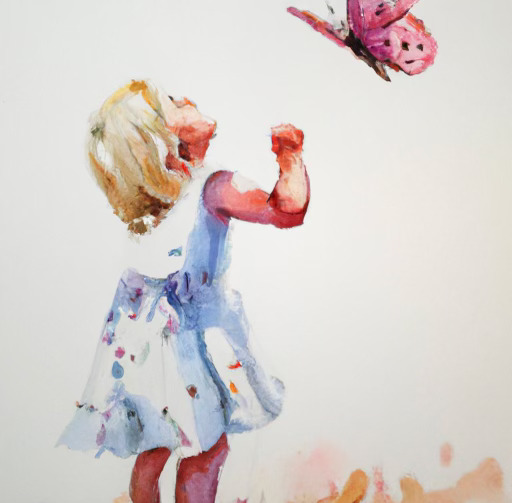
Imagine a warm, sunny day where the air is sweet with the scent of blooming flowers, and all around you, there’s a harmony of laughter and playful shouts. Kids are hiding behind trees playing hide and seek, parents are setting up a cozy picnic under the shade, and a group of friends are engaging in a friendly cricket match on a lush green field. Just a bit away, a little girl is chasing butterflies, her laughter tinkling like a merry bell; there are couples riding bicycles, exploring trails where nature generously unfolds its beauty. It’s a picture of ease, contentment, and simple joys found under the open sky.
Yet, this isn’t a scene easily stumbled upon in our daily lives anymore. This vibrant image has gradually faded into the tapestry of ‘the good old days,’ a narrative retold by parents worldwide. “In our time, we used to play outside for hours,” a familiar phrase spoken with a touch of sadness and longing for a time when children could freely frolic outdoors without the looming threats that characterise today’s environment.
The earth has shifted beneath our feet, and with it, the psychological well-being of its inhabitants has tilted too. ‘Eco-anxiety,’ a term describing the chronic fear of environmental catastrophes, has silently woven itself into our mental and emotional fabric, particularly among the youth. They stand on a precipice, inheriting a world where the clear, joyous days of unfiltered outdoor adventures are overshadowed by thick smog, scorching heat waves, and landscapes scarred by rampant urbanization.
Nature, once a sprawling playground, has morphed into confined, sanitized, virtual spaces for many youngsters today. Tethered to screens, their experiences of frolicking in the meadows, exploring the woods, and being enveloped by the fresh air have been substituted with digital interactions, forever altering the development of their ‘naturalistic intelligence’ – a fundamental understanding and connection with the natural world and its cycles.
Mental health experts often tell us that nature is like a sanctuary for our minds and can help us find peace and help us rejuvenate. But now, when we think about nature, it brings up a mix of feelings – not just peace but also sadness and fear because of its environmental problems. It’s like we’re feeling calm and worried at the same time. Several questions run through our minds:- “What if I get sunburned? What if the air I am inhaling causes lung problems? Etc. Breathing in the air during a walk intended to clear up our mind is paradoxically intertwined with a breath of anxiety, inhaling the visible and invisible particles of our changing climate.
As admirable and awe-inspiring as our concrete jungles may be, they’ve also stolen away the accessibility of unadulterated nature from our daily lives. A simple walk amid lush greenery, once a commonplace activity, has become a luxury reserved for those who can afford to escape the bustling cities. We are surrounded by architectural marvels, yet the oxygen, that invisible lifeline, is quietly depleting, subtly affecting our cognitive abilities and mental health.
As someone who believes that mindfulness can truly become easier to practice if we connect with nature, I observe this complex interplay between our changing environment and our mental state with a heart that weighs heavy yet beats with persistent hope. The mental image of those joyous days under the sun remains etched not only as a memory of what once was but as a beacon of what could be.
As we navigate through this era where days without anxiety feel like a rare gift, where our ancestor’s ordinary is our aspiration, it’s crucial to untangle and adapt to the emotional ebbs and flows generated by our changing environmental landscapes. Through understanding and collective endeavours, let’s envision a future where scenes of children joyously playing beneath an infinite azure sky are not mere relics of yesteryears but a continual reality.
In this quest, let’s incorporate ‘eco-mindfulness’: practicing mindful consumption, being aware of our ecological footprints, and integrating green activities into our daily lives for mental serenity and a sustainable environment. Imagine forming ‘Green Mental Health’ community groups, fostering connections while participating in nature conservation activities, grounding our emotions, and replenishing our environment simultaneously. Let’s also instil ‘Digital Environmental Education,’ integrating technology with ecological awareness to inform, connect, and inspire communities toward collective mental and environmental well-being.
By weaving together our mental health and environmental actions, let’s carve out a path that ensures the emotional and ecological flourishing of future generations, enabling them to traverse a world where they can breathe, play, and thrive amidst the lush embrace of a healed planet.
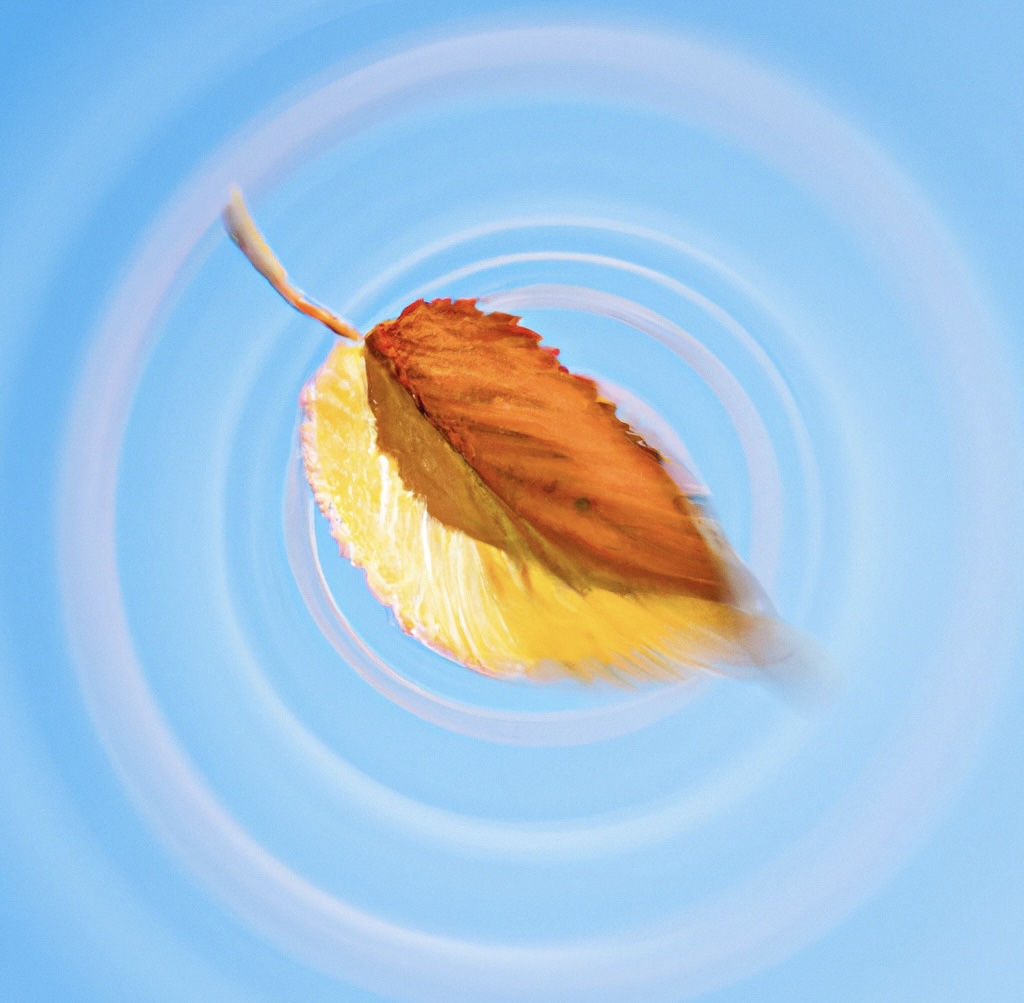
Like a crisp autumn leaf, caught in a whirlwind, spiralling downwards, lost and misguided, we homo sapiens seem to be caught in the relentless gust of misinformation and misconceptions regarding mental health. Hi there, fellow travellers of life. It’s your friendly neighbourhood psych-student blogger here, all geared up to debunk some deeply entrenched myths about mental health.
Imagine for a moment, you’re mindlessly scrolling through Instagram (Not really an unimaginable scenario, is it ?) and, out of the blue, a reel pops up titled “Psychological Facts”. Intrigued, you click on it, only to be bombarded with a slew of ‘facts’ that seem to promise the key to understanding your own mind and those around you. However, like the shiny apple in the Garden of Eden, these ‘facts’ often mask a dangerous pitfall – misinformation.
The first myth I want to debunk today is the one-size-fits-all approach that seems to permeate these social media nuggets of ‘wisdom.’ Remember, our minds are as unique as our fingerprints. Just because classical music can turn a friend into a concentration powerhouse doesn’t mean it will do the same for you. Let’s not forget that mental health is not a monolith. What works for one might not work for another. Our paths are ours to tread, and no one else’s shoes will fit us perfectly.
Next on the list is the flawed dichotomy of men and women. The claim that men and women are from different planets is not only scientifically inaccurate, but it also fails to recognise the fluidity and complexity of gender. (Men are not from Mars, and Women are Not from Venus, surprisingly, the latest research reveals that men and women share the same planet after all) Yes, our ancestors might have adhered to certain behavioural norms, but evolution and socialisation have sculpted us into individuals far more complex than these archaic binaries can capture.
A worrying trend that I’ve noticed skyrocketing recently is the ‘sigma’ mentality. This perspective glorifies stoicism, independence, and emotional repression, all wrapped up in a shiny package labelled as ‘strength.’ Don’t fall for this masquerade. Remember, as humans, our strength comes from our connections, our shared experiences, our empathy. Emotional bonds aren’t shackles; they are lifelines that tie us to one another.
Then there’s the elephant in the room – imposter syndrome, a beast that’s been fed and fattened by the belief that success comes from mimicking others. But remember, authenticity is the key to genuine success and happiness. Copying someone else’s journey won’t pave your path to self-fulfilment. Your journey is your own, complete with its unique challenges and victories. Don’t rob yourself of that uniqueness.
Now, before I end, allow me to debunk one last myth. A popular trope is the belief that people with mental health issues are ‘making it up’ or can ‘snap out of it.’ This notion is not just harmful but also profoundly insensitive. Mental illnesses are as real and valid as any physical ailment. Dismissing them as a figment of one’s imagination is to dismiss the pain and struggle that countless individuals go through every single day.
So there you have it, friends – a few misconceptions unravelled and debunked. It’s time we dispel these illusions and view mental health for what it truly is – complex, unique, and profoundly human. The mind isn’t an enigma to be solved but a melody to be understood and appreciated. So let’s listen to it, understand it, and most importantly, respect it.
As we move forward, let’s pledge to educate ourselves and approach mental health with the empathy and understanding it deserves. Because, in the end, our minds are all we truly have, and they deserve nothing but the best.