

We have all heard it — jack of all trades, master of none — usually not as a compliment.
I admit, I have at times used it myself to describe who I am. And yes, I purposely dropped the second half:
“Jack of all trades, master of none — but oftentimes better than a master of one.”
Because truthfully, I don’t always feel like I can even be the master of one. So who am I to believe I could be better than someone who is?
At least they had the discipline to choose one path. It takes dedication. Commitment. Horse vision. If you keep going up, up, up and reach the top, the world will certainly acknowledge you. But life rarely moves in a straight line. Mine moves in zigzags.
I feel like I climb one stair, then leave it and climb another. I never seem to climb high enough in one place to reach the top. I tell myself I’m bored — but what is actually happening underneath?
Comparison.
Has it ever happened to you?
You try something new. You’re excited. Curious. Hopeful. And then you see other people doing it so well while you’re still struggling. You know they’ve been doing it longer. You know experience matters. But still, a little voice in the back of your mind whispers: they’re probably just naturally talented.
So we assume talent over hard work. Because if even after hard work we might still be defeated by “genius,” then maybe it hurts less to believe we never stood a chance. But we forget something important. Talent, too, had to be nurtured. Realised. Practised. Tested. Repeated — often quietly, often for years.
Have you ever randomly thought maybe I should work somewhere else, try something new, change my degree, change my major — just out of nowhere? Me personally, very often. Because doubts have a way of creeping in the moment we unconsciously compare ourselves. And sometimes, the world helps those doubts grow louder.
People tell you what you’re good at won’t pay enough. Your passion isn’t practical. Your aptitude won’t help you survive in this cut-throat world. And slowly, quietly, you start feeling jealous of people whose talents seem more marketable, more rewarded, more secure.
But maybe — just maybe — we become jacks of all trades for a reason.
Maybe we try our hand at different things because we are searching for the shape of our own potential. It is okay to be a master of none, because sometimes, eventually, you become a master of one that is built from the combination of everything you explored along the way.
It is okay to be confused.
A jack is not someone who lacks discipline. Not someone who isn’t dedicated enough. A jack is simply someone brave enough to ask: why just one? Why must my life move in a straight line? Why can’t I have more than one version of myself? What happens if I step off the path?
To all the jacks — I see you. You are not alone.
I doubt myself every day. I try every day. I feel that familiar drop in my chest when I compare myself to someone who has been practising for three years something I just started last month. But here is something we rarely say out loud: many jacks are actually perfectionists. Not quitters. Perfectionists.
Sometimes we step away not because we don’t care, but because we care so much that not being immediately good at something feels unbearable. Yes, sometimes there is a lack of patience. But patience is a virtue that builds with time — and often, we feel like we don’t have enough of it.
A jack could be someone still looking for their passion. Someone trying to discover their natural strengths. Someone deeply curious. Someone thinking, can I do this too? Someone wanting balance between work and hobbies. Someone who refuses to believe life must be only one thing.
And that is okay.
Mastering a field is often described as a lifetime commitment. But to some jacks, spending an entire lifetime doing only one thing feels… confining. Everyone is different. If we imagine the jack and the master as two different personalities, then we can see and appreciate both their strengths and acknowledge their weaknesses.
There is no universal rule that the master is better than the jack, and no rule that the jack is better than the master.
Have your own definition of success.
The world often measures success in money, titles, and prestige. But what if your definition looks different? What if success, for you, means writing a paper you are proud of, cooking a beautiful meal, earning your scuba diving licence, giving back to your community, or standing confidently to give a presentation?
Maybe you are not a millionaire CA. Maybe you are not a Nobel Prize–winning astrophysicist. But those were their mountains. And you are climbing yours.
You should strive to achieve the greatest version of what you want from life — your highest level of potential — not what the world decides potential should look like.
Maybe for some, greatness is solving complex equations in seconds.
But for others, it is the profound ability to connect deeply with another human being, to care for nature, to create, to heal.
Your potential is yours to define.
Because in the end, a jack is not directionless. Not a wanderer without purpose.
A jack is someone whose purpose is to discover themselves — layer by layer, again and again.
“I will get a high-paying job by 25.”
“I will own a house by 30.”
“I will be married before 30.”
“I will finish my Master’s by 24 and jump straight into a PhD.”
We all give ourselves these timelines as we enter adulthood—invisible checklists that mark our idea of success, security, and self-worth. Somewhere along the way, these plans stop being gentle aspirations and start becoming silent ultimatums. And when life doesn’t go according to plan? We panic. We spiral. We assume nothing will ever work out.
Too often, we make a life plan that revolves around career titles, marriage timelines, degrees, and bank balances. And when things don’t unfold as planned, we take it as a personal failure. Maybe you had planned to buy a house by 30, but you’re still renting. Maybe you imagined you’d be married by now, but you’re single. Or maybe you thought you’d be halfway through your PhD, but you’re just beginning to figure out what you really want. When that checklist is disrupted, we fall into overgeneralization: “If this didn’t work out, maybe nothing will.”
Let’s take J.K. Rowling as an example. By her early 30s, she was divorced, broke, and believed she had failed at life. Her original plan had fallen apart—but in the midst of that uncertainty, she wrote Harry Potter. What felt like falling behind turned out to be the beginning of something extraordinary. Maybe what feels like falling off track is just the track shifting.
So why do we hold onto these timelines so tightly? Why do we punish ourselves when things don’t unfold the way we mapped them?
Sometimes, we stick with a job we no longer love because it feels safer than trying something new. We stay in situations that don’t serve us because the plan said we should have figured it all out by now. We burn ourselves out to reach goals that were never ours to begin with. And perhaps most dangerously, we make decisions out of panic rather than purpose. Getting married because you’re “running out of time” instead of waiting for the right person. Pushing through depression and burnout because your checklist says you should already have your dream car or house.
But here’s something we forget: just because Plan A didn’t work out doesn’t mean there’s no plan at all.
Plan B isn’t a failure. Plan B might be the path that actually suits who you’re becoming. Plan C might hold the version of you that feels most alive. Maybe your real life plan was never about status, money, or external validation—maybe it was about joy, discovery, and alignment.
Remember the things you once loved, the simple dreams that made your inner child light up. Maybe you wanted to bake, or paint, or learn salsa, or go trekking. But over time, those passions got replaced by so-called “more important,” “realistic” goals. Revisit them. Bake that cake. Go to that dance class. Because we decide what is productive and what isn’t. If your passion or hobby fills you with energy, peace, or joy—isn’t that a kind of productivity too? Spending hours at a job you hate isn’t more meaningful just because society says it is.
Don’t let your life checklist only be about what the world deems impressive. Include the things that feel like you. Your timeline doesn’t have to match anyone else’s. Your plan can be yours alone. The idea that everyone should achieve certain things by a certain age is not only unrealistic—it’s harmful. It breeds shame, self-doubt, and unnecessary urgency.
You don’t need to follow the timeline or life plan you created based on societal expectations—or the one you gradually convinced yourself was the only way to be “successful.” You’re allowed to change it. You’re allowed to rewrite your checklist.
If you’re not where you thought you’d be by now, pause. Breathe. You haven’t failed. You’re evolving. And the most meaningful paths are rarely the ones that go according to plan.
Create a life list that includes what feels meaningful, fulfilling, and aligned with who you truly are, not just what looks good on paper.
Psychologists often say every human being is unique, and it’s true. If every person is different, doesn’t it make sense that every person’s timeline should be too?
So stop measuring your life against someone else’s milestones.
Start building a version of life that feels like you.

I was sitting at my desk, bleary-eyed at 2:23 AM, my face glowing in the light of my screen. I had no reason to still be awake. I wasn’t working. I wasn’t learning. I wasn’t even watching anything meaningful. I was just scrolling. My thumb had become a metronome for my mind’s restlessness, caught in a cycle of checking Instagram, switching to LinkedIn, then Twitter, then back to Instagram, only to stare blankly at content I wasn’t even absorbing.
There is a slang term for this now, it’s called ‘Doomscrolling’. A word that sounds half-funny until you realize you’re living it.
We hear it all the time: “You need to stay connected.” “Networking is everything.” “You can’t get a job without LinkedIn.” “Post every day to grow your brand.” From the moment we enter this digital ecosystem—often in our teens, sometimes even earlier—we’re wired to compare. Likes, views, shares, engagement rates. Even our value starts to feel like something measured in metrics.
We know the warnings. We know people photoshop their faces, fake vacations, buy followers. And yet, we believe what we see. Because that’s how our brains are wired: to trust visual cues, to seek belonging, to fear missing out. Maybe they used fake proof, maybe the job offer was a PR stunt, maybe the relationship isn’t really that perfect. But we don’t know. So we scroll.
We scroll to distract. We scroll to avoid. We scroll when we’re tired, when we’re sad, when we should be asleep, and even when we’re doing something else entirely. A notification pings, and suddenly we’re checking emails, messages, apps—all within minutes of each other. Constant, compulsive connectivity.
They say one of humanity’s greatest achievements is language—the ability to communicate across distance, to share knowledge, to connect. But in this hyper-connected age, I wonder if we’ve stretched that brilliance so far that it snapped.
Because today, we’re connected… but not present.
We text more than we talk. We reply instantly but feel more distant than ever. We’re so accessible that privacy now feels like rebellion. And perhaps the most overlooked side effect of it all? Emotional burnout from always being available.
We think of burnout as something that happens because of excessive studying or work. But there is a quiet, creeping kind of burnout that comes from always being “on.” Always reachable. Always expected to reply, to post, to perform. We long for me-time, but when we get it, we spend it replying to texts or falling deeper into digital rabbit holes. Is that really a break? Is that really rest?
And let’s be honest—we’ve forgotten how to just be. Even meals aren’t sacred anymore. We open Netflix during lunch. Scroll through Instagram with one hand while chewing. Sometimes, we’re texting three different people during dinner. We think we’re relaxing, but we’re really just switching screens. Our brains never get a break from stimulation. What if, instead, we replaced those moments with music? A calming playlist while we eat. An instrumental track while we cook or fold laundry. Something that fills the silence without demanding our attention. Something that lets our minds wander instead of scroll.
And no, the solution isn’t a six-month digital detox in the mountains followed by a dramatic “I’m back and better” Instagram story, despite what influencers might suggest. That’s a fantasy. Most of us can’t afford to disappear. Our jobs, our friendships, our families depend on our responsiveness.
So what do we do? We find balance. Not the aesthetic kind with morning matcha and yoga selfies, but the real kind. Messy. Imperfect. Sustainable.
Here are a few things you could try:
- Create a ‘No Notification Zone’: Not a whole day—just an hour. Pick one hour a day where your phone goes into “Do Not Disturb” mode. Not for sleep. Not for meditation. Just to let your mind breathe without interruption.
- Designate App-Free Rooms: For me, it’s the bathroom. No scrolling. No messages. Create sacred spaces for stillness and actual human thoughts.
- Have a ‘Friend Filter’ Day: If I feel emotionally depleted, I give myself permission to reply only to the people who feel like sunlight—not the ones who drain me. Not everyone deserves instant access to your energy.
- Scroll With Intention: I replaced my homepage with an ebook shortcut. So if I go to my phone out of habit, I land on a book. If I still want to scroll, I ask myself: Am I seeking connection or just stimulation?
- Put Yourself on Your Own Calendar: Literally schedule time with yourself like you would a meeting. And when it comes up? Honour it.
- Change the Medium, Not the Message: If you find yourself needing a break from digital conversations, try voice notes instead of texts. Or handwritten letters if it’s someone close. They feel personal, intentional, and they don’t demand instant replies.
- Solo Walks Without Your Phone (Just Once a Week): Start with 15 minutes. No music. No map. Let your brain detox from stimulation and relearn stillness.
- Digital Wind-Down Alarms: Set a 9:00 PM alarm that doesn’t tell you to sleep—but tells you to log off. Use that hour for journaling, stretching, or even doing nothing. Let your body remember what it feels like to unwind without a screen.
We can’t escape the digital world, especially not in today’s world where visibility does matter. But we can stop letting it run the show. Emotional burnout isn’t always visible, but it is always valid.
Connection is a gift. But so is solitude. And you deserve both.

As the year draws to a close, many of us find ourselves in the same familiar ritual: writing down our resolutions. These are often grand declarations, promises to ourselves about the year ahead. We envision these resolutions shaping a better version of who we are—healthier, happier, more accomplished.
But as the year unfolds, reality often clashes with ambition. Some people manage to turn their resolutions into achievements, while others find themselves disappointed, wondering what went wrong.
So, what’s the difference? Is it about wanting it more? Not really. The key lies in how resolutions are written and the mindset with which they’re approached.
The Problem with Big Resolutions
Every New Year’s Eve, we set lofty goals:
- “I’ll heal completely this year.”
- “I’m going to have washboard abs by summer.”
- “I’ll stop procrastinating forever.”
These resolutions sound impressive, but they also set us up for disappointment. Why? Because they focus solely on the end result, ignoring the journey required to get there.
Healing, fitness, and productivity aren’t destinations you magically arrive at—they’re processes, filled with small, consistent steps. When we try to leap straight to the finish line, we forget that it’s the journey that builds the habits, resilience, and growth needed to achieve these goals.
A Better Way to Write Resolutions
Instead of framing your resolution as a massive outcome, focus on actionable, manageable steps that align with your ultimate goal.
Replace:
- “I’ll heal completely in 2025.”
With:
- “I’ll journal my thoughts weekly, prioritize self-care, and seek therapy if needed.”
Replace:
- “I’ll get washboard abs this year.”
With:
- “I’ll go to the gym three times a week and explore meals that nourish my body.”
Replace:
- “I’ll stop procrastinating forever.”
With:
- “I’ll dedicate 20 minutes each day to my most important task.”
These smaller, actionable steps feel achievable. Each one is a milestone worth celebrating, keeping you motivated and helping you build momentum.
The Journey Is the Reward
Think of your goals like levels in a video game. In the early stages, the tasks are simpler: collect a coin, dodge an obstacle, or defeat a small enemy. But as you progress, the challenges get tougher, requiring more skill and effort.
Similarly, the bigger your goal, the harder the actions needed to achieve it. But that’s the beauty of it. With every small task you accomplish, you’re growing stronger, learning more, and becoming better prepared for the next challenge.
And just like in a game, you wouldn’t stop playing simply because Level 20 feels far away. You enjoy the journey—each level, each task, and each tiny victory along the way.
So, don’t hold your breath waiting for the big moment when your goal is complete. Breathe through it. Celebrate the different paths you uncover, the lessons you learn, and the new strengths you discover. Those moments are where the magic lies.
Goals Can—and Should—Evolve
Another common mistake we make is thinking resolutions are set in stone. They’re not.
If one path to your goal suddenly closes, find another. If your circumstances change, adapt your goal to match where you are in life. Growth isn’t linear—it’s a journey with twists and turns, and that’s what makes it beautiful.
Dream Big, But Embrace Patience
Dream as big as your heart desires. Never stop dreaming. But remember, the joy isn’t just in achieving the dream—it’s in the process of becoming who you need to be to make it real.
This New Year, write your resolutions differently. Focus on the steps you’ll take, enjoy the process, and celebrate every milestone, no matter how small. Trust that with patience and persistence, you’ll get to where you’re meant to be.
From eunoia, here’s to a year of dreaming big, taking small steps, and discovering beauty in the journey. 💖
Happy New Year! 🕊️
I recently came across a movie called ‘Letters to Juliet’ which opens with a beautiful monologue which goes something like this :
‘What’ and ‘if’ are two words as non-threatening as words can be. But put them together side by side, and they have the power to haunt you for the rest of your life: What if? What if?”
This made me wonder how such a small question carries so much weight. This question lingers in the minds of so many of us, paralyzing dreams, chaining ambitions, and dimming the light of possibility. It’s a quiet, persistent voice that whispers fears of failure and rejection. But what happens when we choose to face it? Come with me to witness how a little boy dealt with this fear :
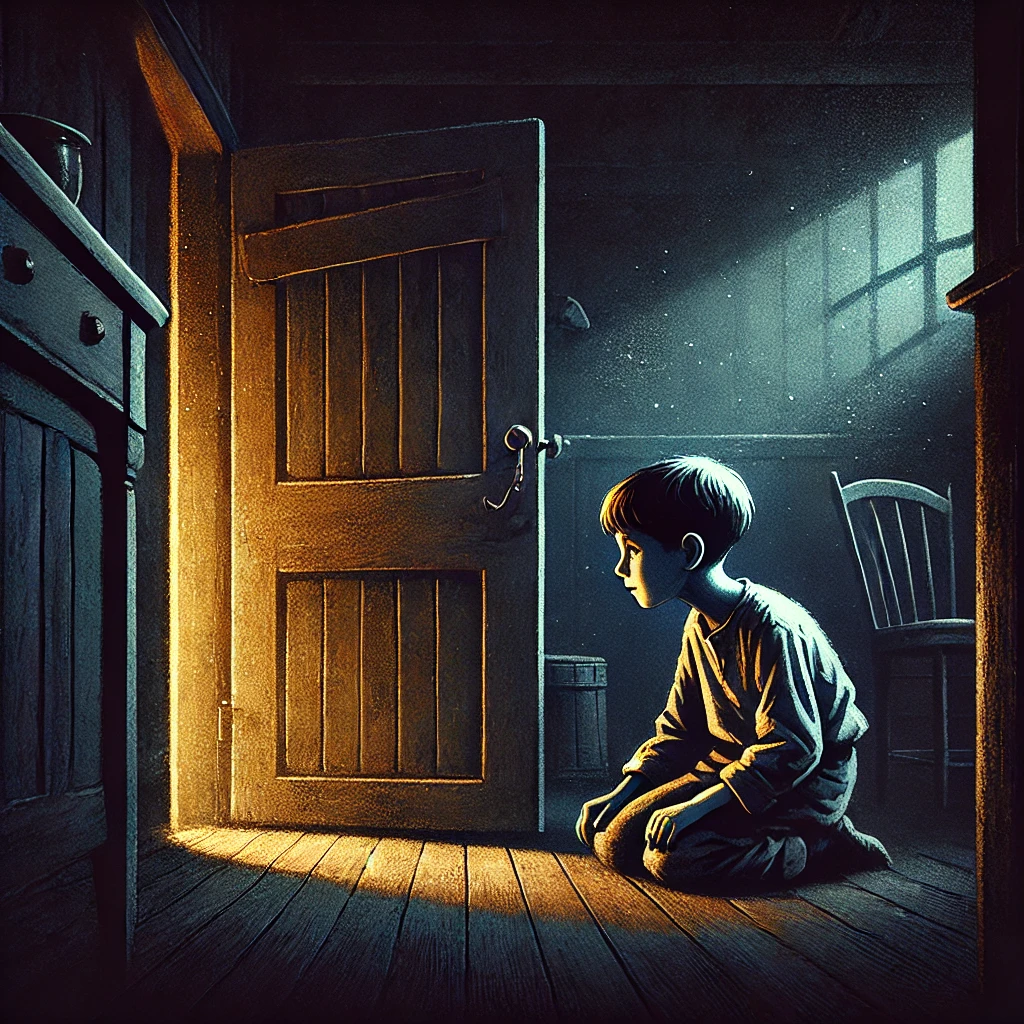
In a small, dimly lit room, a boy sat alone, staring at a door. The world beyond that door was a mystery—both enchanting and terrifying. His heart was filled with ambition and dreams of soaring in the open sky, of laughter, connection, and belonging. But the same mind which blessed him with the privilege of dreaming and imagining also cursed him with a riddle. If solved correctly, it could guarantee success in his endeavours, but if left unsolved or misunderstood, it could haunt him forever: the riddle of What if?
So the boy wondered: “What if the world out there is cold?” “What if I find no hand to hold?”
These fears played on a loop in his head. Often, he would rise, pushing these negative interpretations aside, step toward the door, and gently knock—a soft, hesitant plea for something beyond. Yet, each time, he stopped short of turning the handle. The possibility of rejection, failure, and not being wanted was too much to bear.
“What if I open the door and find emptiness? Or worse, judgment?” he thought.
The boy wasn’t alone in his struggle. We’ve all been that boy at some point, haven’t we? Homo Sapiens are known to be the most complex species on the entire planet, capable of achieving great things with our cognitive capabilities, yet our minds can become what liberates us or what chains us down. Sitting on the edge of our dreams, too scared to step forward. The fear of failure or rejection builds walls around us, turning doors into barriers, and the “what ifs” into chains.
The door is a boundary and an invitation. It kept the boy safe from the unknown but also trapped him in his fears. Through the cracks, he imagined all the terrible things waiting on the other side: the harsh words, the stares, the loneliness. Yet, he also dreamed of the warmth, the connections, the possibilities.
He reached out again, this time placing his trembling hand on the handle. “What if,” he whispered, “what lies beyond isn’t as scary as my fears have spawned?”
The boy, now understanding what the riddle meant, was presented with two choices: to stay locked in or to take a chance. Most of us face a similar choice at some point in our lives: to either stay in our comfort zone, even if it haunts us and fills us with regret and guilt later on just because it is familiar, or to get out, take a chance, try, and take the risk.
The boy, resolved, tightened his hands around the handle, his heart pounding, and turned it to open the door. As the door creaked open, the boy was greeted not by monsters or cold, empty nights but by sunlight spilling into his small room. Beyond the threshold lay a world vibrant and alive. He saw people smiling, paths winding through fields of possibility, and skies so vast they seemed to call his dreams upward.
The boy stepped through, his fears trailing behind like shadows in the sun. The world wasn’t perfect—there were still challenges, still unknowns—but it wasn’t as terrifying as he’d imagined. In fact, it was beautiful. For every fear he had, there was a counterbalancing joy: for every harsh word, there was a kind one; for every closed door, an open one.
Like the boy, we all have doors we hesitate to open. Whether it’s pursuing a dream, starting a conversation, or taking a risk, the fear of rejection often looms larger than reality. But the truth is, behind every locked door lies a new journey—a chance to grow, to connect, to be brave.
The world isn’t as cold as we fear. Yes, there are challenges, but there are also warm smiles, open arms, and spaces waiting just for us. Every step forward, every handle turned, chips away at the fear until it becomes a faint whisper, easily drowned out by the symphony of life.
So, if you’re sitting behind a door today, wondering what if? Take a deep breath. Place your hand on the handle. Turn it, even if your heart is pounding. That is the answer to the riddle. You may just find that the world is ready to welcome you, with all its imperfections and all its beauty.
Life is waiting—not for the perfect version of you, but for the brave one. Open the door. Step into the space. Let your dreams take flight.
After all, “What if?” can be a haunting question—but it can also be the beginning of some extraordinary realizations.
In understanding ourselves, it’s crucial to consider the influence of our past. This article delves into generational trauma, exploring how experiences passed down through generations shape the way we interact with others today.
Key insights include how trauma can be unconsciously inherited, the importance of breaking cycles, and how healing relationships play a transformative role in recovery. For anyone interested in uncovering these deep-rooted connections and learning how to foster healthier dynamics like me , this is a must-read.
To read more, click on the link :-
https://www.psychologytoday.com/intl/blog/the-humanistic-explorer/202410/generational-trauma-what-are-we-carrying-with-us: Generational Trauma – What Are We Carrying With Us?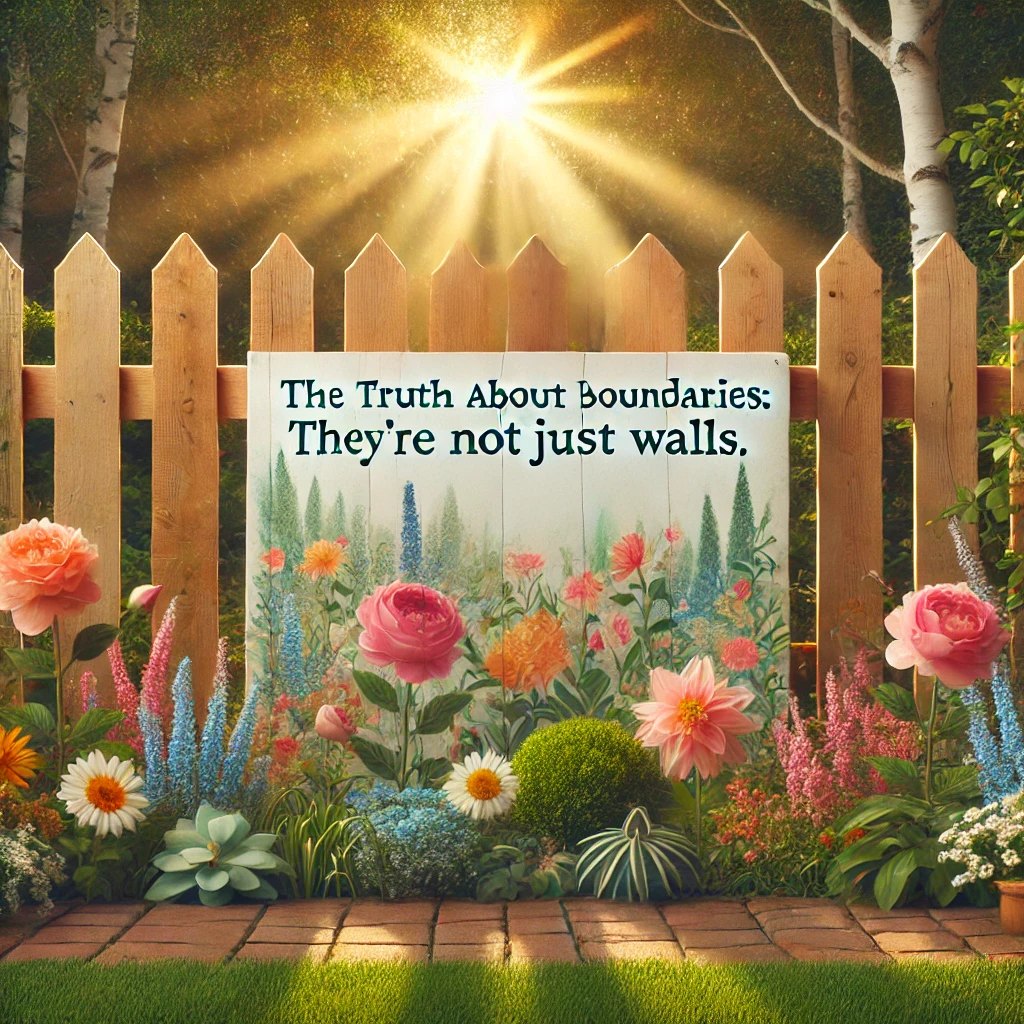
In the soft glow of morning light, a gardener once tended to a beautiful garden, pouring heart and soul into every rose, lily, and daisy. Each day, he watered the roots, pruned the branches, and nurtured the soil. The garden was a place of colour and life—a place that, for the gardener, held dreams. But there was one thing missing: a fence. With no boundary around it, the garden lay open to anything and anyone that wandered in.
And wander in they did. Weeds, blown by the wind, took root and stole the sun’s warmth from the delicate blooms. Curious bunnies hopped through, nibbling tender shoots until only stubs were left. Strangers, though unaware of the gardener’s efforts, plucked flowers as they pleased, leaving broken petals and disturbed roots in their wake. With each day, the garden that had once been so vibrant grew weary, the colours fading and the soil dulling. The gardener, seeing the slow decline, couldn’t help but wonder why his blooms, which he cared for so deeply, seemed to wilt despite all his effort.
One evening, feeling a wave of hopelessness, the gardener turned to the sky and asked, “Why must this happen? Why are my flowers so sad?”
A wise old oak nearby, with branches wide and leaves whispering in the wind, answered, “Your garden is open to all, my friend. You’ve given your heart to nurture these blooms, but without a boundary, there’s nothing to protect them. Build a fence, not to keep love out, but to keep harm at bay. This way, your flowers can flourish without intrusion.”
Taking this advice, the gardener went to work, gathering tools and building a sturdy fence around his precious garden. Days passed, and with this newfound boundary, the garden began to transform. Colours brightened, petals stood tall, and the blooms regained their strength.
The gardener felt peace, knowing his flowers were safe, shielded from the chaos outside.
And just as the garden needed a fence to thrive, each of us needs boundaries to protect our peace and keep our minds healthy. But what does it mean to set boundaries in our own lives? It means saying yes to ourselves and our needs—honouring our well-being by creating space that allows us to grow.
Why Boundaries Are Essential
Without boundaries, life can feel a lot like that unprotected garden. Just like weeds and wandering animals harm the blooms, a lack of boundaries allows external pressures to take over our lives. Many of us hesitate to set boundaries, worried we’ll disappoint others or feel we’re somehow failing by not always being available. But over time, this leads to exhaustion and even resentment as we begin to feel overwhelmed and lose sight of ourselves.
Imagine a few situations where boundaries are absent:
In Relationships
Take Priya, for instance. She loves helping her friends, always ready to lend an ear or offer support. But whenever her friend Meera calls, Priya drops everything, even her own responsibilities, to help—even if it means staying up late to finish her own work. Priya thinks,” If I don’t help her, I’m a bad friend.” But over time, Priya grows resentful, feeling her energy drained and her own life neglected. The belief that she has to be available at all times leads to burnout.
In reality, Priya doesn’t need to shut Meera out, but she does need to set a boundary. She might say, “I’m here for you, but I can’t always be available immediately. Let’s talk at a time when I can give you my full attention.” By setting this boundary, Priya can show up for her friend without sacrificing her own well-being.
At Work
Raj, a dedicated employee, often finds himself taking on extra tasks at work. His boss asks for help with urgent reports, his colleagues delegate projects to him, and Raj feels he has to say yes every time. “If I don’t do this, people will think I’m not committed”, he tells himself. But this mindset leaves him exhausted, with no time for rest, and eventually impacts his performance. Raj’s lack of boundaries creates a cycle of overwork and frustration.
A boundary for Raj might look like kindly explaining to his boss, “I’d love to help, but I have my own projects that need focus. Could we prioritize which tasks are most important, so I can give my best?” Boundaries like these allow Raj to remain dedicated while protecting his health and happiness.
With Family
Sana finds it hard to say no to her family, whether it’s running errands, planning family events, or lending money. She believes, “If I don’t do this, I’m failing as a daughter.” But over time, she feels drained, overwhelmed, and starts to resent the very family she cares so much about. In her mind, saying no feels selfish, yet saying yes to everything leaves her feeling like she’s losing herself.
Instead, Sana could communicate her need for balance by gently saying, “I’m here for you, but I also need time for myself.” Sana can still support her family but without compromising her own peace.
How Boundaries Help Us Thrive
Boundaries are not walls to shut others out; they are guidelines to protect the space we need to flourish. They give us room to breathe, to reflect, and to feel whole.
When we set boundaries, we teach ourselves and others how we deserve to be treated. Boundaries help us honour our values, support healthy relationships, and prevent the chaos that drains us. Setting a boundary isn’t about being selfish or becoming a “VILLIAN”; it’s about practicing self-care so we can show up fully in our lives and for the people we love.
How to Create Gentle, Effective Boundaries
- Know Your Needs
Start by identifying what drains your energy or makes you feel overwhelmed. Where do you feel most stretched thin? These areas may need boundaries to help you regain balance. - Communicate with Kindness
Boundaries don’t require harshness. In fact, the most effective boundaries are gentle but firm. When expressing a boundary, speak with compassion, explaining your needs honestly. For example, “I’d love to help, but I need time for myself today,” or “Let’s connect, but I can only chat for a little while.” Remember, saying no to others is often saying yes to yourself. - Embrace Mental Boundaries
Sometimes, we can’t avoid certain people or situations, but we can protect our mental space. For instance, if someone’s negativity affects you, remind yourself that their emotions are their own and not a reflection of you. This mental distance is a boundary that shields your peace. - Practice Self-Compassion
Creating boundaries isn’t about being mean or selfish; it’s about treating yourself with the same kindness you give to others. Instead of thinking of boundaries as walls, think of them as fences to guard your garden, to allow your life and happiness to flourish.
Just like the gardener learned to protect his blooms, we can protect our hearts and minds with the gentle strength of boundaries. We’re not shutting others out but rather creating space to be our best, most vibrant selves. So, in the garden of your soul, build your boundaries with care. Guard your peace, cherish your dreams, and let your own colours bloom bright and whole.
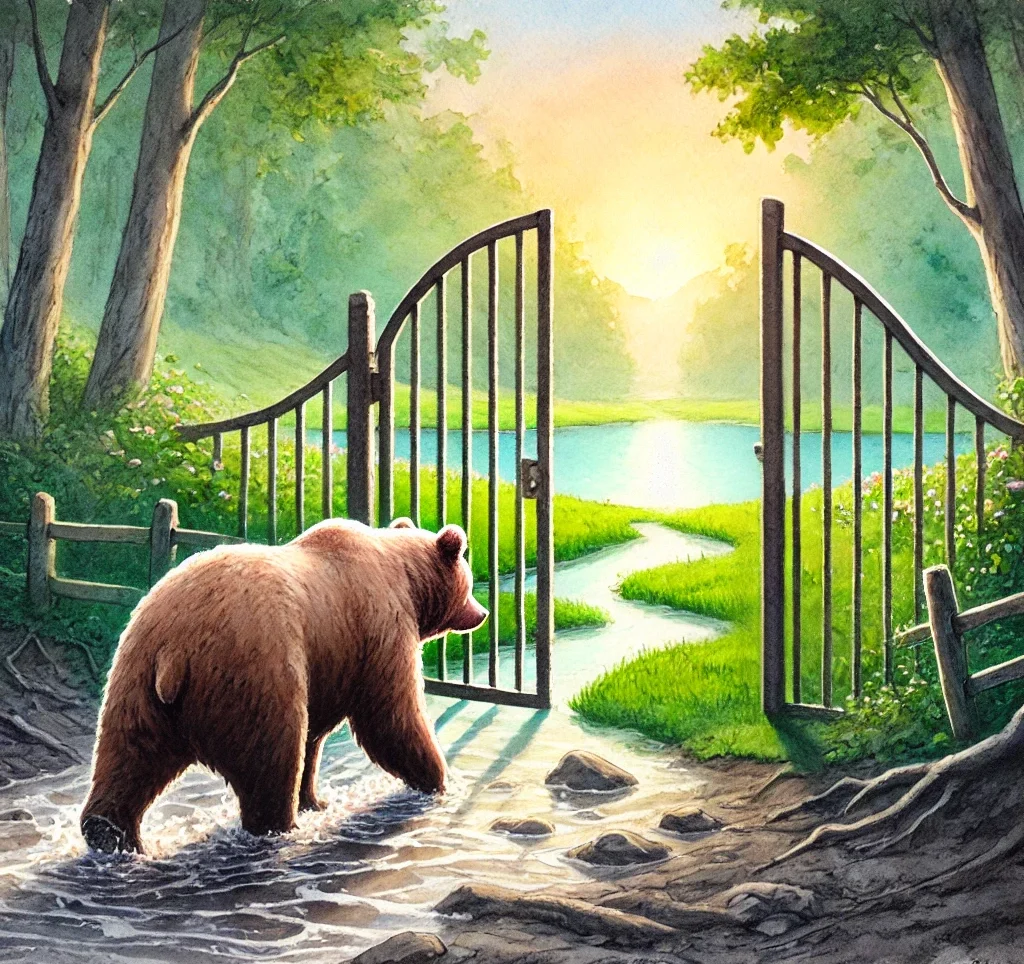
In a forest that whispered secrets with the rustle of every leaf, where the trees stood tall, and shadows danced at dusk, lived a bear of immense strength. His coat was thick, his roar mighty, yet his heart was burdened by a fear that kept him from the life he once knew. This bear, who once roamed freely through the forest’s green pathways, now walked with caution, every step laced with anxiety. The memory of a painful snare that had once clamped onto his paw haunted his every move, casting a shadow over his once carefree spirit.
Long ago, this bear had been curious and unafraid, exploring every inch of the forest with joy. But one day, his explorations led him to a trap hidden beneath the innocent-looking leaves. The sharp pain of the snare, the struggle to break free, and the sight of his own blood on the forest floor left a scar not just on his paw but on his very soul. From that day on, he avoided the paths that led to the pond—a place he once loved, where the water was clear and fish abundant. The memory of that day turned the path into a place of dread, and no matter how thirsty or hungry he became, he could not bring himself to face it again.
Seasons passed, the forest flourished, and the pond remained full of life. But the bear grew weaker, his body thin, his spirit heavy. He knew the path he feared held everything he needed, yet the fear of encountering another trap kept him away. The pain of that past mistake had chained him, and he found himself imprisoned by his own mind, a prisoner of his past.
One day, as the bear lay in his lair, exhausted and drained, a wise old owl perched nearby. With gentle hoots, she spoke words that pierced through the bear’s fear. “Dear bear, I see the pain you carry. But the path you avoid holds what you need most. The fear that grips your heart is understandable, but it’s stopping you from living the life you deserve.”
The bear, his eyes weary, responded with hesitation, “But what if I fall into the trap again? What if I make another mistake?”
The owl’s voice was soft yet firm, “Mistakes are part of life, dear bear. They teach us, they shape us, but they do not define us. The pain you remember is real, but it should not keep you from moving forward. You must learn from it, but also let it go. Only then can you heal and grow.”
With those words echoing in his mind, the bear found the courage to take a step onto the path that once brought him pain. His heart pounded, his paws trembled, but he walked on. As he moved forward, he noticed the beauty he had forgotten—the vibrant colours of the forest, the melodies of the birds, the cool breeze that carried the scent of pine. And then, finally, he reached the pond. The water was as clear as he remembered, and as he dipped his paw into it, he felt a wave of relief wash over him. He drank deeply, catching fish with ease, feeling his strength return. In that moment, he realized that the fear that had held him back was only as powerful as he allowed it to be. The path had not changed; it was his perspective that had transformed.
Understanding The Story: The Bear Within Us All (Overcoming The Fear Of Making Mistakes)
The bear’s journey is one that many of us can relate to on a deeply personal level. We all carry memories of past mistakes, failures, or painful experiences that haunt us and shape our actions. These experiences, while real and significant, can create prisons in our minds, trapping us in fear and preventing us from taking risks, from exploring new opportunities, and from growing as individuals.. The bear’s fear of retracing his steps, of facing the possibility of pain again, is symbolic of how we often let our past dictate our future and often get stuck in a cycle of regret.
The lesson from the bear’s story is clear: we must find the courage to face our fears, to walk the path that once brought us pain, and to believe that we are capable of overcoming whatever lies ahead. Just because we have failed once or been hurt before does not mean that failure or pain is inevitable. Sometimes, the very thing we fear is the key to our growth and happiness. By taking a different approach, by seeing the path with fresh eyes, we may find that it leads us to everything we’ve been searching for.
In the end, the bear is a reflection of us all—strong yet vulnerable, fearful yet brave. The journey to self-forgiveness and self-love is not easy, but it is necessary. We must learn to forgive ourselves for our past mistakes, to let go of the fear that holds us back, and to trust that we have the strength to face whatever comes our way. Only then can we truly be free to live the life we deserve, to drink from the pond of life, and to find the peace and joy that comes from believing in ourselves.
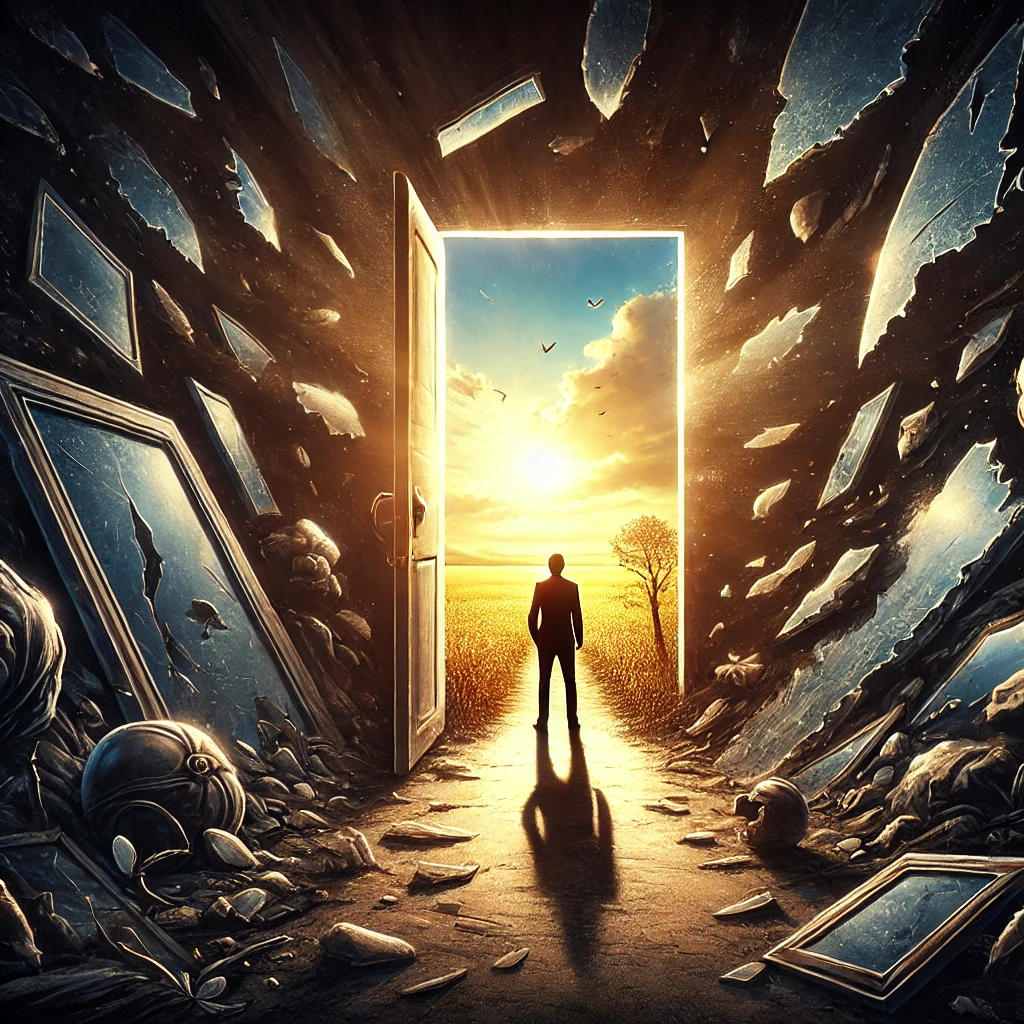
Making peace with your past is essential for moving forward in life. In his insightful article, Jim Taylor, Ph.D., explores how our past selves can shape who we are today, often in ways that aren’t beneficial. He offers steps to overcome these past influences, focusing on empathy, forgiveness, and self-acceptance as crucial elements in this process.
The article delves into the unhealthy hold that our past can have over our present self and provides actionable steps to break free, including taking ownership and making amends. By embracing these strategies, we can move toward becoming the best versions of ourselves and living our best lives.
To read the full article, click on the link below: